
Binance Wallet Review: What Is It and How Does It Work for Crypto Storage?
When users search for "Binance is which wallet" or "Binance wallet review," they are often trying to understand the relationship between the Binance exchange and its native storage solutions. This article provides a clear, structured breakdown of what the Binance wallet ecosystem actually is, how it functions, and whether it is a suitable choice for your cryptocurrency management needs.
First, it is essential to clarify a common point of confusion. Binance is primarily a centralized cryptocurrency exchange (CEX), not a single wallet application like MetaMask or Ledger. However, Binance offers multiple wallet products under its brand. The most well-known are the Binance Exchange Wallet (the account wallet on the exchange itself), the Binance Chain Wallet (a browser extension for the BNB Chain ecosystem), and the recently emphasized Binance Web3 Wallet (a self-custody wallet integrated into the Binance app). When people ask "Which wallet is Binance?" they are often referring to one of these three distinct options.
The Binance Exchange Wallet is the default wallet that every user gets when they register on Binance.com. This is a custodial wallet, meaning Binance holds the private keys for you. It is designed for trading, staking, and accessing exchange-specific features. While convenient, it is not recommended for long-term storage of large amounts of crypto due to the risks associated with centralized custody. Users searching for a proper "Binance wallet review" should understand that this wallet is for active trading, not cold storage.
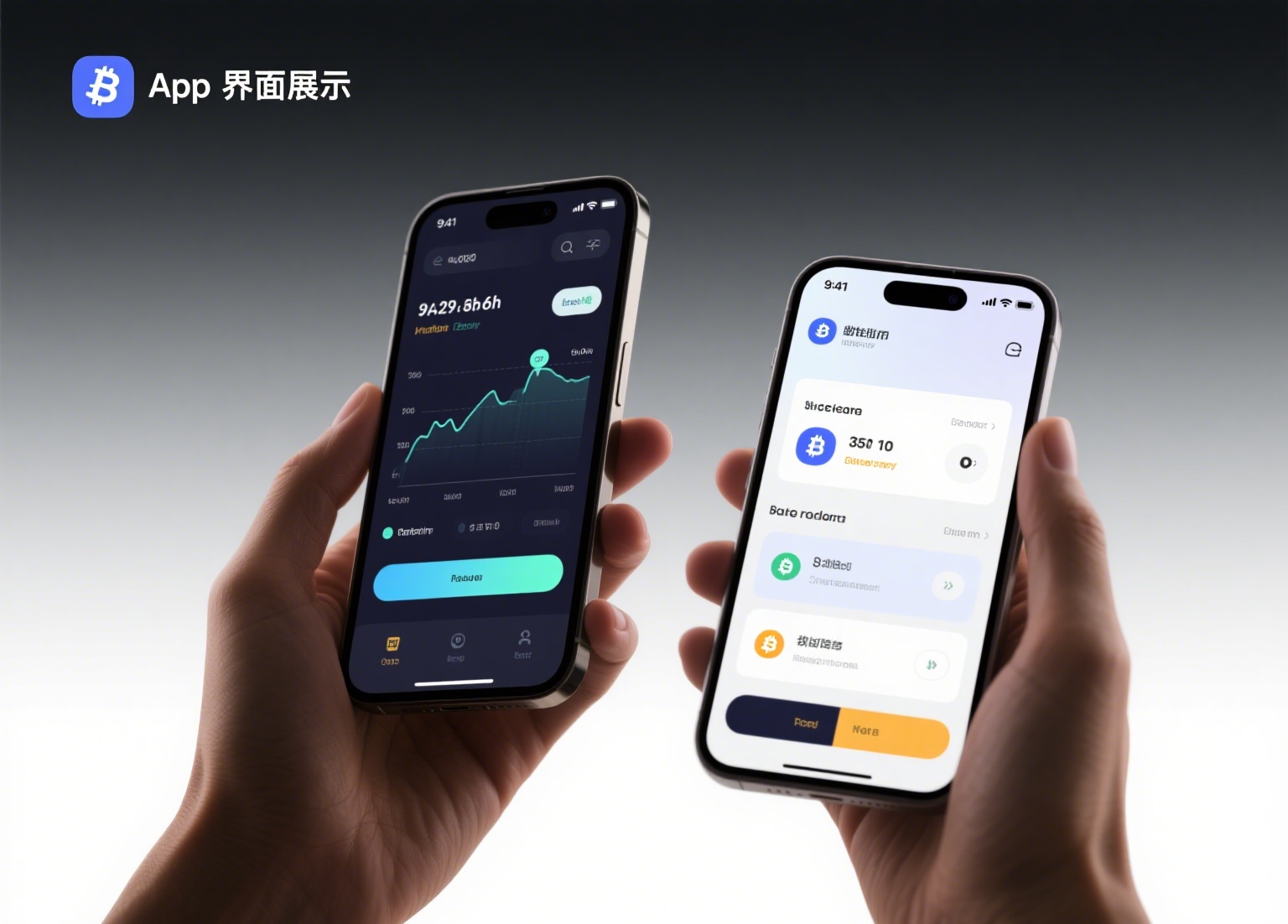
In contrast, the Binance Web3 Wallet, launched in 2023, is a self-custodial option. It is built directly into the Binance mobile app but operates separately from the exchange wallet. You control your own private keys, often secured through a seed phrase or multi-party computation (MPC) technology. This wallet supports multiple blockchains, including BNB Chain, Ethereum, and Polygon. It allows users to interact with decentralized applications (dApps), swap tokens, and bridge assets without leaving the Binance ecosystem. For users asking "How good is the Binance wallet?", the Web3 wallet is often the answer they are looking for, as it combines exchange convenience with decentralized control.
Another product is the Binance Chain Wallet browser extension. This was the original self-custody wallet for the BNB Chain network. While still functional, it has been largely succeeded by the more user-friendly Web3 wallet integrated into the mobile app. However, desktop users who frequently interact with BNB Chain dApps may still prefer the extension.
Regarding security and performance, the Binance wallet ecosystem performs well for its intended use cases. The exchange wallet benefits from Binance's industry-leading security infrastructure, including SAFU (Secure Asset Fund for Users) insurance. The Web3 wallet, being non-custodial, places security responsibility on the user but incorporates features like risk scanning for malicious dApps. A thorough "Binance wallet review" must note that while the exchange wallet is easier for beginners, it sacrifices decentralization. The Web3 wallet is better for users who want control but still value integration with a major exchange.
In terms of user experience, the Binance wallet (especially the Web3 version) scores high for simplicity. It eliminates the need to download separate browser extensions or manage multiple seed phrases if you already use Binance. However, advanced users who prioritize complete decentralization might prefer dedicated wallets like MetaMask or hardware wallets like Ledger. Ultimately, the question "Is Binance a good wallet?" depends on your needs. If you need a wallet that is tightly integrated with a major exchange for quick trading and you trust a large platform, the Binance ecosystem is a strong choice. If you require absolute self-custody and anonymity, a dedicated non-custodial wallet is more appropriate.
To summarize, Binance is not a single wallet but a suite of storage solutions. The exchange wallet is a custodial tool for active trading, while the Web3 wallet is a modern, self-custodial gateway for decentralized finance. Both offer different trade-offs between convenience and control. When evaluating "which wallet Binance is best for," consider your primary goal: trading, staking, or independent DeFi interaction. This nuanced understanding will help you make an informed decision for your crypto storage strategy.

发表评论